
Summary
Selling a house when moving to senior living involves balancing finances, timing, and lifestyle changes. Understanding your options helps you make a confident decision that aligns with your goals.
- Consider your home equity and financial flexibility before deciding to sell, rent, or temporarily hold the property while you settle into Independent Living with supportive services
- Evaluate the true costs of keeping a rental property, including property management, maintenance, taxes, insurance, and vacancy expenses alongside potential income
- Decide whether to sell before or after your move based on available funds, your preferred pace, and whether you have support managing a home sale during transition
- Declutter and focus on practical updates rather than major renovations when preparing your house for sale
- Picture your new lifestyle at a senior community, where responsibilities like housekeeping, meals, and maintenance are handled, freeing you from ongoing property concerns
Selling a house when moving to senior living can feel like two major transitions at once. For older adults in Richardson, TX, planning a move to Independent Living with supportive services** at The El Dorado, deciding what to do with the house may affect timing, cash flow, and how quickly you feel truly settled after the move. A clear plan can make the process easier to manage.
Start With Your House Equity & Financial Picture
For many homeowners, the equity they have built in their home is one of their largest assets. Before deciding what to do with your house when moving to senior living, consider how much flexibility you need and whether you want to keep ongoing property responsibilities.
Common options include:
- Sell & simplify: Turn home equity into available funds, remove ongoing ownership expenses, and avoid managing a second property after the move.
- Hold the house temporarily: Move first, sort belongings at a manageable pace, and list the property once the transition is complete.
- Rent & retain ownership: Keep the property as an investment while using rental income to offset some monthly expenses.
A financial professional can help you compare projected proceeds, taxes, insurance, maintenance, and other costs before choosing a path forward.
Decide Whether to Keep for Now, Sell or Rent
If you are wondering whether to keep or sell your home before a senior living move, compare the workload just as closely as the potential income. Renting may preserve the property, but it also turns the house into an ongoing responsibility.
Before becoming a landlord, consider:
- Property management & tenant needs: Decide who will handle screening, leases, rent collection, questions, and turnover.
- Maintenance & repairs: Budget for routine upkeep and unexpected expenses.
- Insurance, taxes & vacancies: Compare gross revenue (rent payments) with costs that continue even when the property is unoccupied.
- Your time & attention: Consider whether keeping the house supports the simpler day-to-day lifestyle you want after moving.
These house decisions during a senior living move can become clearer when you compare the net financial benefit and the amount of work required to keep a rental property in good working order.
Decide When to Sell
Selling your home before Independent Living with supportive services** can create a clean financial break from homeownership. It may also eliminate the need to coordinate repairs, showings, lawn work, and other details while settling into a new apartment home.
Moving first and selling later can also make sense. A less-cluttered house may be easier to prepare for listing, and you may appreciate more time to decide what to keep. The best timing depends on your available funds, preferred moving pace, and whether family members or professionals can help with managing a home sale during a senior move.
Prepare the House & the Move Together
Once you decide to sell, focus first on removing belongings you no longer need and identifying what will fit comfortably in your new apartment home. Photographs of favorite rooms or meaningful décor can preserve memories without requiring you to move every object.
Then, prioritize practical updates over major projects. Your real estate professional can identify repairs or presentation changes that may matter most for the real estate market in Richardson and help prevent unnecessary spending before the sale.
Picture Life After the House Sale
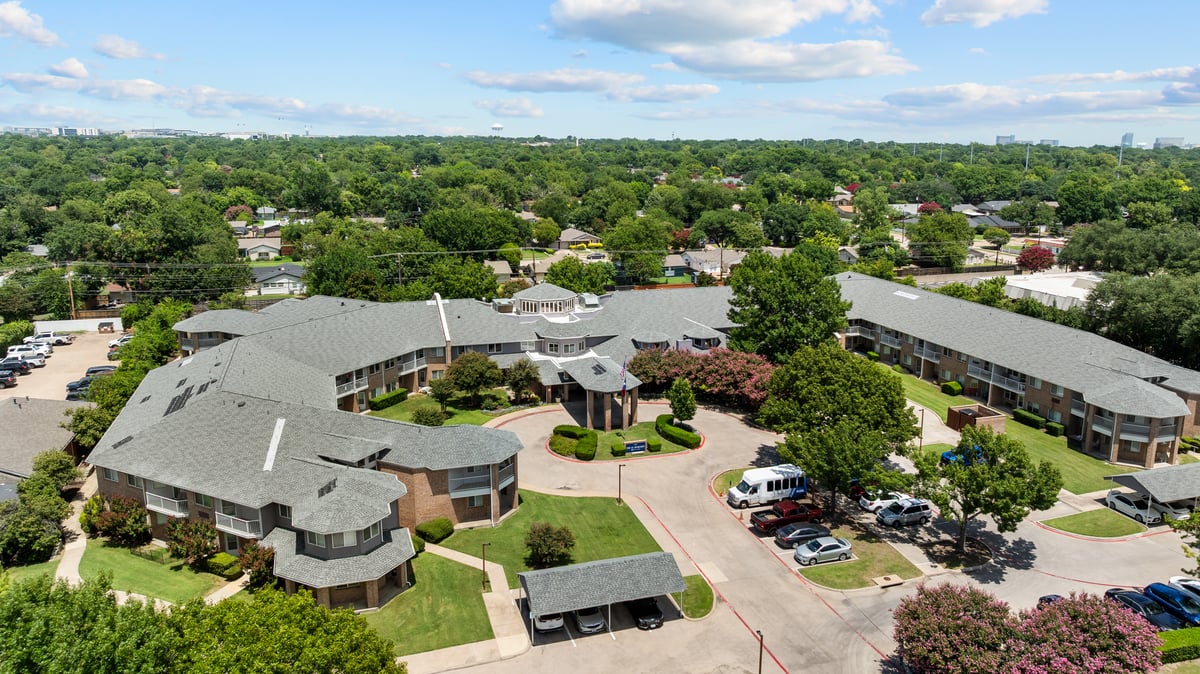
Part of this decision is understanding what homeownership responsibilities you are replacing. At The El Dorado, residents have private apartment homes plus three chef-prepared meals each day, housekeeping, scheduled transportation, landscaped outdoor areas, a bistro, theatre, Health & Fitness options, and a professional salon and barbershop.
Review Independent Living with supportive services** to see how the lifestyle here is structured. When comparing costs, include housing expenses as well as the time and energy currently spent maintaining a house and the lifestyle that comes with it.
Our Independent Living with supportive services** community is designed to support your independence while offering access to additional help—only when and if you want it. A choice of third-party providers is available onsite for your convenience, but you are under no obligation to use any particular one. This flexible approach is perfect for individuals or couples with varied needs. Extend your independent lifestyle by choosing to make our community your home.
Frequently Asked Questions
Should I Sell My House Before Moving to Senior Living?
Not necessarily. Selling first may simplify finances, while moving first can give you more time to prepare the house and sort belongings.
Can I Keep My House After I Move to Senior Living?
Yes. Some homeowners keep a property temporarily or rent it, but it is important to account for property management, maintenance, taxes, insurance, and vacancies.
What Should I Do With Sale Proceeds?
That depends on your broader financial plan. A qualified financial or tax professional can help you decide how the proceeds fit with housing expenses, savings, and long-term goals.
Make the Move to Senior Living With Confidence
What happens to your house after a move is ultimately your choice. The strongest plan is one that fits your finances, your desired workload in terms of a potential rental property, and a manageable pace. Schedule a personalized tour of The El Dorado to see how Independent Living with supportive services** could fit your next chapter.
A choice of third-party providers is available onsite for convenience, but residents are under no obligation to use any particular one.